Ley Lines and Prehistoric Rock Art
Rock formations often hold secrets about the landscapes of our ancestors, and understanding ley lines can deepen your appreciation of prehistoric rock art. These invisible alignments are believed to connect various significant sites across the globe, suggesting a complex network of spiritual and cultural significance to the people who carved these ancient images. By exploring the connection between ley lines and rock art, you can gain insights into the beliefs and practices of early civilizations, revealing how they interpreted their world through both geography and artistry.
Chasing the Invisible: What Are Ley Lines?
Theoretical Origins of Ley Lines
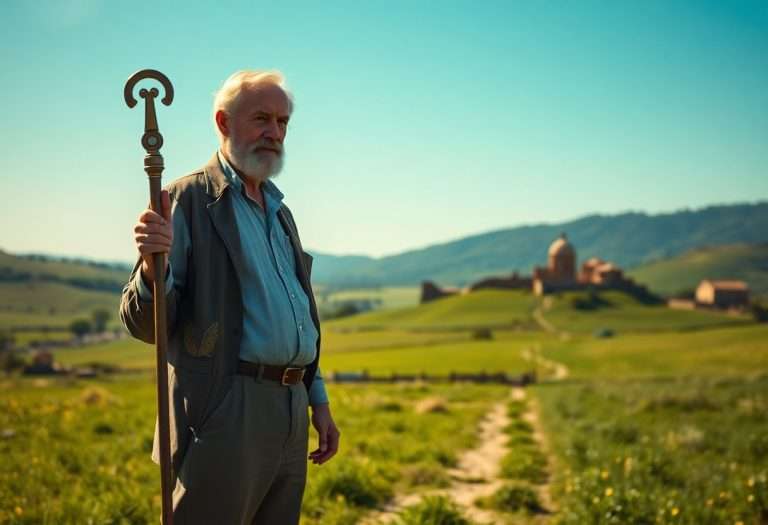
The concept of ley lines originated in the early 20th century, primarily attributed to the work of Alfred Watkins, an English antiquarian. He proposed that ancient sites, such as stone circles and burial mounds in Britain, were aligned along invisible paths. This idea inspired further exploration into how these alignments reflected not just geographical features, but also ancient patterns of human movement and spirituality embedded in the landscape.
The Intersection of Geography and Spirituality
The idea of ley lines captures a fascinating confluence between geography and human belief systems. You might find it intriguing that many of these alignments coincide with sacred sites—places of worship, burial grounds, and ceremonial landscapes, all infused with cultural significance. Thus, the existence of ley lines raises intriguing questions about how ancient peoples related to their environment, potentially signifying paths of pilgrimage, esoteric energy flow, or even cosmic alignment.
Geographers and historians have long debated the motivations behind these ancient alignments, suggesting that early civilizations may have intentionally situated their sacred sites along ley lines to enhance their spiritual practices. This intersection of the earthly and the mystical not only illustrates your connection to the landscape but also serves as a reminder of the myriad ways humans have sought to harmonize their existence with the world around them. You may find it particularly captivating that, in many cultures, such alignments continue to attract modern-day seekers and practitioners who believe in the power of these invisible pathways.

The Cosmic Blueprint: How Ley Lines Align with Ancient Sites
Notable Alignments: Stonehenge and Beyond
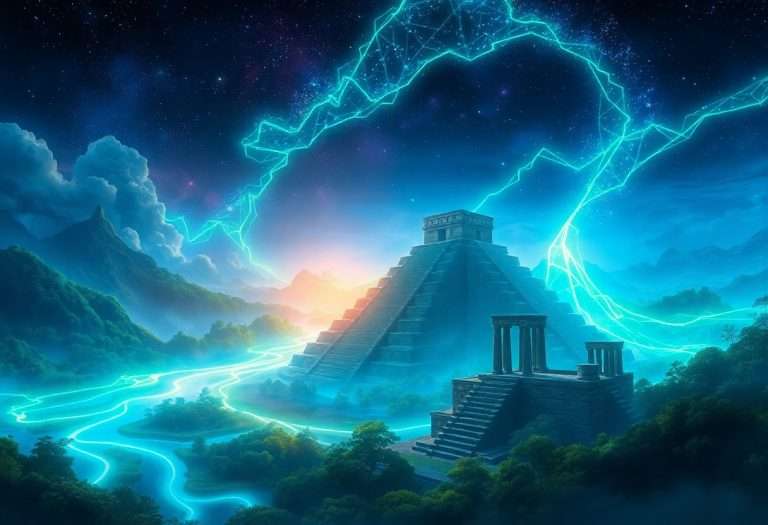
Stonehenge is perhaps the most famous example of a site that aligns with ley lines, thought to serve not only as a ceremonial center but also as an astronomical observatory. Other notable sites, including the Great Pyramids of Giza and the ancient city of Teotihuacan, demonstrate similar alignment patterns, suggesting a deliberate cosmic blueprint guiding their construction. These alignments reveal a sophisticated understanding of geography and celestial mechanics, allowing you to appreciate the interconnectedness of these ancient cultures.
The Significance of Celestial Events in Alignment Theory
Celestial events like solstices, equinoxes, and lunar cycles play a pivotal role in the alignment of ancient sites along ley lines. By connecting significant locations to these events, ancient civilizations likely sought to embody cosmic principles within their structures. For instance, Stonehenge’s orientation allows you to witness the sunrise during the summer solstice, marking an important seasonal transition. Understanding these celestial relationships provides insights into how these societies viewed their connection to the universe.
The alignment of ancient structures with celestial events represents not only an architectural achievement but also a spiritual and cultural expression. For instance, many cultures believed that aligning their monuments with heavenly bodies would foster a deeper connection between Earth and the cosmos. Engaging with this aspect of ley line theory allows you to explore how these communities integrated important astronomical knowledge into their daily lives, rituals, and agricultural cycles, highlighting their profound understanding of the natural world.
Carving in Stone: The World of Prehistoric Rock Art
Decoding Symbols: Common Motifs in Rock Art
Exploring prehistoric rock art uncovers a vibrant tapestry of symbols, such as animals, human figures, and geometric designs. These motifs often reveal insights into the daily lives, spirituality, and societal structures of ancient peoples. For example, the depiction of animals like bison and horses suggests their importance in hunting and rituals, while concentric circles might symbolize cosmic beliefs or communal gathering places. By recognizing these patterns, you can start to unravel the histories embedded in these ancient stories etched in stone.
The Cultural Context of Rock Art: Who Were the Artists?
A closer examination of rock art leads you to ponder the identity and motivations of its creators. The artists behind these stunning carvings were likely members of prehistoric communities, expressing their beliefs, experiences, and emotions through their art. These individuals most likely operated within kinship groups, and their artwork served as both personal and communal storytelling. Insights gained from archaeological finds, such as tools and settlement patterns, allow you to glimpse the diverse roles these artists played in society.
Rock art exists as a reflection of the culture and environment of its creators, providing an intimate window into their world. You might encounter artworks attributed to hunter-gatherer societies, illustrating their reliance on nature and the animals they hunted. As you explore various regions, you’ll uncover styles that change based on local resources, climate, and social organization. For instance, the sophisticated petroglyphs of the Native American peoples of the southwestern U.S. convey complex spiritual beliefs, while the cave paintings of Lascaux reveal a community’s relationship with their environment. Each artist’s hand signifies their unique perspective, allowing you to connect with the past through these ancient expressions.
Converging Paths: The Intersection of Ley Lines and Rock Art
Geographic Patterns: Where Are They Found Together?
Across various landscapes worldwide, you can find striking correlations between ley lines and prehistoric rock art sites. For instance, in the British Isles, you might notice how ancient carvings at locations like Avebury and the Marlborough Downs align with prominent ley lines, revealing a connection that spans both geography and mythology. Similarly, Indigenous rock art in Australia often coincides with recognized ley paths, suggesting that these ancient cultures may have understood and utilized these alignments in their spiritual practices and landscapes.
Evidence of Intentional Placement: Alignments and Symbols
Numerous examples of prehistoric rock art appear to be intentionally placed along ley lines, indicating a deliberate connection between spiritual significance and geographical orientation. The intricate carvings and symbols can act as markers or guides, highlighting the cultures’ profound understanding of the earth’s energy and its relationship to celestial bodies. These artworks often feature motifs such as spirals, circles, and animal representations aligned meticulously with specific points on the ley lines, further supporting the notion that early humans were consciously weaving their spirituality into the very fabric of the land.
This intentionality in placement underscores a sophisticated knowledge of the environment. For example, the Nazca Lines in Peru not only depict various figures but also align with specific ley lines thought to enhance ritualistic practices. Research has shown that many ancient sites, including petroglyphs in the southwestern United States, frequently lie along energetic alignments. This correlation suggests that the creators sought to harmonize their spiritual expressions with the earth’s energy networks, using symbols not just for artistic representation, but as a means to connect with these natural forces, amplifying their spiritual journeys through their art.
The Spiritual Dimensions: Ley Lines as Pathways of Energy
Historical Perspectives on Energy and Sacred Sites
Throughout history, ancient civilizations recognized certain locations as spiritually significant, often attributing them with energy that transcends the physical realm. Structures like Stonehenge and the Great Pyramids were strategically placed near or along ley lines, suggesting that these cultures understood the connection between geography and the spiritual experience. Archaeologists have uncovered evidence that ritual activities were often conducted at these sites, reinforcing the belief that these locations held a special energy that facilitated communication with the divine.
Modern Interpretations: What Do Ley Lines Mean Today?
Today, ley lines are perceived through various lenses, with some individuals believing they represent energy pathways that connect sacred sites and enhance spiritual practices. Others consider them to be remnants of ancient knowledge, offering insights into how humanity once interacted with the Earth. You may find modern enthusiasts engaging in practices such as geomancy, dowsing, and energy mapping, aiming to harness the energetic properties attributed to these lines in hopes of fostering personal growth and healing.
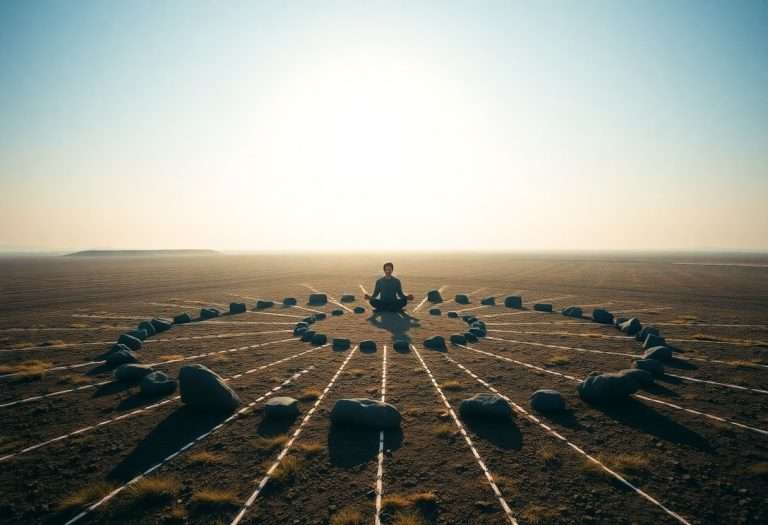
This contemporary understanding of ley lines often intersects with holistic healing and personal spirituality. Many practitioners explore the metaphysical implications of ley lines, arguing that they can influence not just physical spaces but also emotional and spiritual well-being. Investing time to study these concepts might lead to unique experiences as you meditate or practice rituals at sites believed to align with these energy pathways. Communities around the world host gatherings and workshops focused on ley lines, providing opportunities for you to connect with like-minded individuals while exploring the energetic interconnectedness of the Earth.
Mysteries Unveiled: Archaeological Discoveries and Controversies
Evaluating the Scientific Scrutiny of Ley Line Theories
You may wonder how ley line theories hold up under scientific examination. Researchers often apply rigorous methodologies to map and analyze these supposed alignments, yet results frequently lack consistent support. Critical reviews cite the absence of statistical evidence to corroborate claims, suggesting that many apparent connections may be coincidental rather than intentional. The challenge lies in distinguishing genuine geographical or cultural significance from random alignments created by human perception.
Debunking Myths: Separating Fact from Fiction
Numerous myths surround ley lines, often blurring the line between intriguing hypothesis and unfounded belief. Understanding the distinctions between established facts and hearsay is key to evaluating the validity of these theories. Various claims—such as ley lines being powerful energy conduits or pathways for UFOs—have not been substantiated by concrete evidence. You’ll find that exploring these commonly touted ideas often reveals more about cultural narratives than about actual prehistoric practices.
Debunking myths about ley lines can be particularly enlightening. For example, the idea that ancient sites align perfectly along straight paths is frequently overstated. Studies have shown that while some sites may cluster along specific trajectories, this phenomenon can often result from coincidence rather than deliberate design. Similarly, the notion of ley lines as energy channels has been dismissed by many scientists, who emphasize that energy fields do not correlate with human-made structures. This critical perspective helps clarify the role of human imagination in the creation of ley line stories, underscoring the importance of evidence-based research in archaeology.

Mapping the Unknown: Tools and Techniques for Research
The Role of Technology in Uncovering Ley Lines
Technological advancements have significantly changed how researchers identify ley lines and understand their configurations. Geographic Information Systems (GIS) enable you to analyze spatial data, allowing for precise mapping of alignments across vast distances. Satellite imagery and aerial photography help visualize patterns that might not be discernible from the ground, enhancing your ability to pinpoint potential ley lines. Additionally, ground-penetrating radar provides insights into sub-surface structures that may be associated with these enigmatic pathways, bridging the gap between ancient sites and the natural landscape.
Field Research: Methods for Documenting Rock Art and Ley Lines
Engaging in field research is crucial for documenting rock art and ley lines effectively. Combining traditional survey techniques with modern technology can yield comprehensive insights. You might consider utilizing photogrammetry to create 3D models of rock art, which preserves intricate details while allowing for analysis from multiple angles. Furthermore, carefully recording GPS coordinates of both the rock art and ley line locations helps establish their relationships to surrounding geographic features, facilitating your ongoing investigation into their historical and cultural significance.
Field research encompasses a myriad of strategies that ensure accurate documentation of both rock art and ley lines. You can employ systematic walkthroughs of targeted regions to identify potential rock art sites and ley line alignments, all while collecting geospatial data. Utilizing drone technology offers a unique aerial perspective, which is invaluable for observing large landscapes and discerning patterns often overlooked at ground level. Engaging with local communities can also provide supplementary insights and oral histories that enrich your understanding of the cultural connections between rock art, ley lines, and the surrounding environment.
Final Words
With these considerations in mind, you can appreciate the intriguing connection between ley lines and prehistoric rock art as critical elements of past human societies. Exploring these landscapes allows you to understand the spiritual and cultural significance attributed to these ancient sites. Engaging with ley lines can reveal patterns of human thought and geography that shaped artistic expression, offering you a deeper perspective on how early communities interacted with their environment and the cosmos.