The Wyrm of Orkney – A Serpentine Terror of the North
Orkney is steeped in rich legend and folklore, and one of its most fascinating tales involves the mythical creature known as the Wyrm. This serpentine monster has been a subject of intrigue and fear for centuries among locals and visitors alike. In this blog post, you will discover the Wyrm’s origins, the stories that surround it, and its significance in Orkney’s cultural landscape. Join us as you look into the depths of this ancient myth, exploring its impact on the local community and the legacy it leaves behind.
The Origins of the Wyrm
To uncover the origins of the Wyrm of Orkney, you must examine into the ancient landscapes and the rich tapestry of folklore that define this northern territory. The serpent’s emergence is entwined with tales of battles fought and the natural world, making it a creature of deep resonance in the hearts of the island’s inhabitants. As you explore, you will find that the Wyrm serves as both a formidable terror and a poignant symbol of Orkney’s heritage.
Historical Accounts
Across centuries, historical records from Orkney encapsulate sightings and encounters with the Wyrm, often narrated by locals who claimed to have faced its menacing presence. These accounts, interwoven with the island’s tumultuous history, provide you with glimpses into how the Wyrm was perceived as both a physical threat and a metaphor for the unpredictability of nature. The blend of grim realities and oral tradition paints a vivid picture of the Wyrm’s significance in Orkney’s cultural consciousness.
Mythological Context
Behind the terror of the Wyrm lies a rich mythological context that situates this creature within the larger framework of North Atlantic folklore. You will discover that the Wyrm often symbolizes chaos and the raw power of the natural elements, embodying the fears and challenges faced by those who lived in close harmony with the unpredictable landscape.
With your exploration into Orkney’s mythology, you uncover a world where the Wyrm correlates to sea serpents and dragons found in the tales of many cultures. These creatures often represent the struggle of humanity against formidable forces. You’ll see that in Orkney, the Wyrm is not merely a monster, but a reflection of your relationship with the harsh environments, lending deeper meaning to the stories shared across generations. Understanding these mythological roots helps you see the Wyrm in a broader cultural context, enhancing the terror it instills with layers of significance.
Physical Description
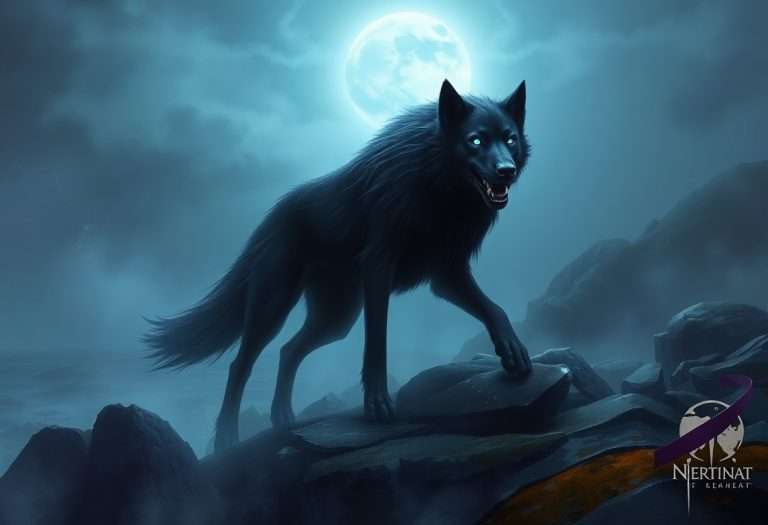
While the lore surrounding the Wyrm of Orkney varies, its physical description consistently portrays a surreal and fearsome creature. You might envision a serpentine being, slithering silently through the misty waters of the Orkney Islands, with scales that glimmer ominously under the moonlight. Eyewitness accounts suggest a massive body that could easily rival the largest of sea serpents, leaving a lasting impression on those fortunate—or unfortunate—enough to catch a glimpse.
Size and Appearance
An extraordinary aspect of the Wyrm is its significant size. You might hear tales of its length measuring up to fifty feet, with a robust and muscular body that allows it to move fluidly through both water and land. Its color is often described as a deep, dark green or blue, blending seamlessly with the depths of its aquatic habitat.
Unique Characteristics
Any mention of the Wyrm’s unique characteristics often revolves around its mesmerizing yet terrifying features. You may find its eyes strikingly large and luminescent, often said to glow eerily in the dark, which plays a crucial role in creating the creature’s ominous presence. Most accounts highlight a distinctive crest running along its back, which adds to its formidable appearance and may serve as a visual warning to those who dare venture too close.
A notable characteristic of the Wyrm is its ability to emit a low, rumbling growl, which resonates through the valleys and instills fear in the hearts of locals. People have described the sound as a foreboding presence, signifying that the Wyrm is nearby. Additionally, you may hear tales about the creature’s remarkable agility, enabling it to weave through obstacles with ease, further enhancing its reputation as a formidable guardian of the Orkney waters.
Habitat and Range
There’s a unique overlap of land and sea in the Orkney archipelago that provides an intriguing habitat for the Wyrm. You can explore the tales of The Orkneyingers’ Saga Online to understand the rich cultural history tied to this enigmatic creature. The diverse ecosystems, from rocky shores to hidden lochs, offer a wide range for the Wyrm’s elusive presence, making encounters with this serpentine terror both thrilling and daunting.
Orkney’s Geography
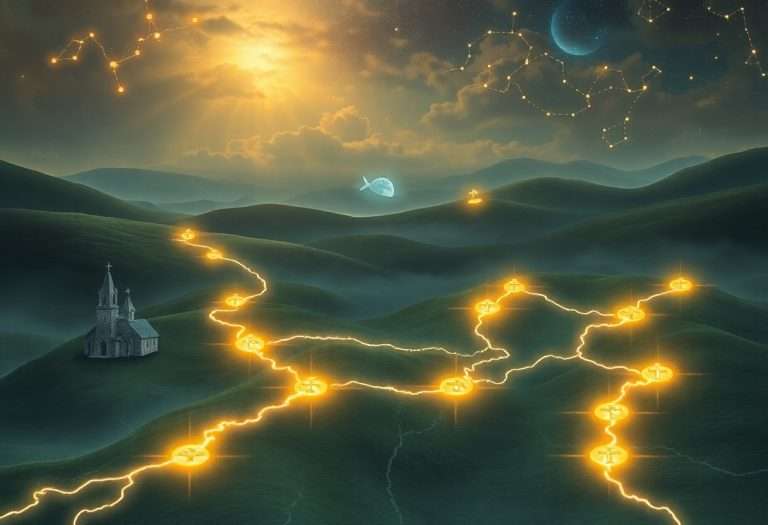
An understanding of Orkney’s geographical features can enhance your appreciation of the Wyrm’s habitat. The islands are characterized by rugged coastlines, rolling hills, and lush farmland, which create a varied landscape where the Wyrm may navigate undetected. Lakes and marshes are particularly significant, providing not just shelter but also an abundant source of prey.
Sightings and Reports
Among the captivating aspects of the Wyrm are the baffling sightings and reports that emerge from Orkney. Locals share stories that alternate between fear and awe, detailing encounters that ignite the imagination. Each account adds to the growing tapestry of folklore surrounding this serpent-like creature.
Reports of the Wyrm often describe a massive, elongated form gliding through the water or lurking near the shores, leaving onlookers spellbound. Eyewitnesses recount feelings of dread and wonder, as the beast seems to defy natural understanding. These sightings not only fuel local legends but also inspire many enthusiasts to seek the truth behind the myth, hoping to catch a glimpse of this enigmatic creature.
Cultural Significance
All throughout Orkney’s history, the Wyrm has held a prominent position in local culture, serving as a powerful symbol of fear and respect. As you explore legends around this serpentine terror, consider how it resonates with themes in the area’s folklore; for an in-depth dive, check out Stoor Worm: Orkney’s Dragon. The creature’s stories reflect the region’s deep-rooted fears and aspirations, weaving a complex narrative that transcends generations.
Folklore and Legends
Before plunging into the tales of the Wyrm, it’s important to appreciate the rich tapestry of folklore that surrounds this enigmatic figure. The legends doing the rounds often evoke the themes of bravery and resilience, placing the Wyrm in the crossroads of myth and reality, embodying both danger and the heroism required to confront it.
Symbolism in Orkney
Beside being a symbol of fear, the Wyrm also represents transformation and the duality of human nature. It acts as a reminder of the thin line between good and evil, encouraging you to reflect on your own struggles with inner demons and the courage required to overcome them.
For instance, the Wyrm serves as a metaphor for the challenges one faces in life, highlighting how fear can either paralyze or propel you towards growth. In this way, the Wyrm is not merely a fearsome beast but a reflection of the vicissitudes of existence, reminding you that even the darkest tales can spur personal evolution and insight.
The Wyrm in Modern Culture
Not only has the Wyrm of Orkney found its place in the revered tales of yesteryear, but it also endures in contemporary culture, captivating the imagination of today’s society. The mythological creature inspires a blend of intrigue and creativity, manifesting in various art forms, literature, and folklore discussions. You may find that the Wyrm continues to surface in modern narratives, keeping the spirit of this enigmatic serpent alive and well.
Literature and Film
Film adaptations and literary retellings have breathed new life into the Wyrm of Orkney, making the legend accessible to modern audiences. By weaving myth into contemporary storytelling, creators capture your fascination with ancient folklore. You may encounter stories where the Wyrm embodies not only monstrous traits but also deeper themes of conflict and survival, offering a fresh perspective on this Northern terror.
Tourism and Local Interest
Film and television have also played an vital role in promoting the Wyrm as a tourism highlight in Orkney. Visitors are drawn to the area’s natural beauty and historical significance, eager to explore sites associated with this legendary serpent. You can partake in guided tours, witness local art inspired by the Wyrm, and engage in community events that celebrate this mythical figure.
In addition to the conventional tourism experiences, local initiatives often host festivals and educational programs revolving around the Wyrm, emphasizing storytelling and cultural heritage. You can immerse yourself in various activities, such as workshops, reenactments, and exhibitions, all centered on the lore of the Wyrm. By doing so, you not only engage with the legend but also contribute to the preservation of Orkney’s rich mythological narrative.

Scientific Theories
Now, the story of the Wyrm of Orkney invites you to explore various scientific theories that seek to decode this enigmatic creature’s existence. While many tales have been dismissed as folklore, some researchers ponder whether ancient sightings could be linked to real animals or geological phenomena. You might find it fascinating to consider how these legends could arise from encounters with known organisms or natural occurrences that have since been explained by science.
Possible Explanations
An array of possible explanations for the Wyrm’s sightings exists, ranging from misidentifications of marine life to geological formations resembling serpentine beings. As you investigate, you’ll discover theories suggesting that the creature could have been a large, elusive eel or a prehistoric marine reptile that, in the eyes of the witnesses, morphed into a mythical beast over time.
Cryptozoology and Skepticism
Beside these scientific theories, the field of cryptozoology researchs into the study of hidden or undiscovered organisms, asking whether the Wyrm could be one such creature. Some enthusiasts advocate for the exploration of all evidence, however anecdotal, while skeptics highlight the lack of concrete proof, arguing that the stories are mere manifestations of superstition and cultural myth.
But caution is warranted in embracing cryptozoology without scrutiny. While enthusiasts may fuel excitement about the possibility of undiscovered species, it’s necessary to balance this fascination with skepticism. A rigorous examination of evidence often reveals that many mythical creatures may not withstand scientific scrutiny. You should consider the cultural context of these stories and how they might shape perceptions of what lies beneath the waters of Orkney. This duality invites a deeper conversation about the relationship between legend, reality, and our natural world.
To wrap up
Now that you’ve explored the fascinating legend of the Wyrm of Orkney, you can appreciate the deep intertwining of folklore and geography in shaping your understanding of this serpentine terror. The tales not only highlight the fears and imaginations of past societies but also connect you to a rich cultural heritage that continues to captivate and intrigue. As you research deeper into such legends, you enrich your perspective on history and the timeless stories that echo through the ages.