History of Ley Lines
Most people have heard of ley lines, those alleged alignments of ancient monuments and geographical features, but few understand their historical significance. As you probe into the fascinating world of ley lines, you’ll discover their origins, the theories surrounding them, and how they have influenced various cultures over time. From the mystique of standing stones to the complexities of Earth’s energy, this exploration will not only expand your knowledge but may also transform the way you view the landscape around you.
Origins of Ley Lines
For centuries, people have speculated about the presence of ley lines—mystical alignments of ancient sites and landmarks across the landscape. These invisible lines are believed to connect significant geographical and historical locations, reflecting the sacred relationship between the earth and its inhabitants. Understanding the origins of ley lines can help you appreciate how they have captured the imagination of many cultures worldwide throughout time.
The Conceptual Foundation
Among the foundational ideas behind ley lines is the belief that the earth is imbued with energy that flows along specific pathways. This concept suggests that significant sites such as ancient monuments, standing stones, and sacred churches align along these energy routes, creating a web of spiritual connectivity. You can explore how this energy affects your surroundings and the way people interact with the land.
Early Examples and Discoveries
Among the first to document ley lines were early archaeologists and enthusiasts who observed patterns in the placement of ancient structures. Their findings suggested interconnecting lines among landmarks, indicating a purposeful design that may have been intentional in the past. You will find that these early examples sparked interest in unraveling the potential significance of these connections.
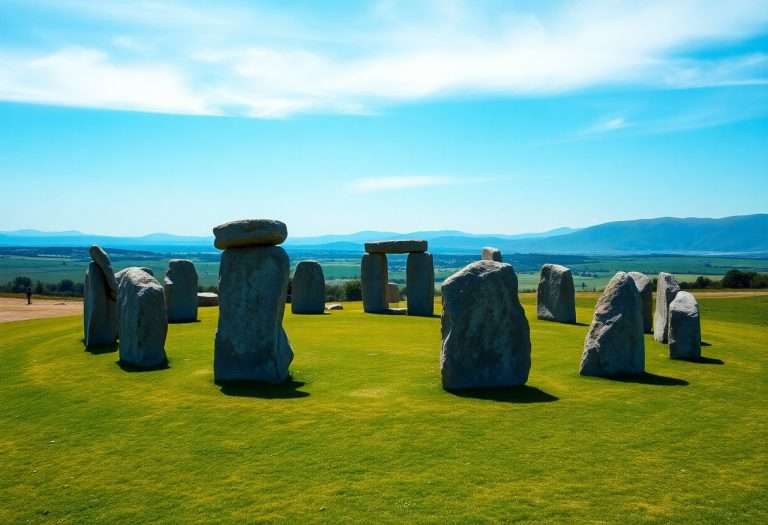
The fascination with ley lines gained traction in the 20th century, when researchers like Alfred Watkins proposed that ancient people established these alignments for navigation and ceremonial purposes. You can learn about various notable alignments, including the connection between Stonehenge and the Avebury stones, which serve as compelling examples of how early civilizations may have utilized these invisible pathways. Discovering these historical connections will deepen your understanding of humanity’s relationship with the land.
Global Perspectives on Ley Lines
One of the most fascinating aspects of ley lines is how they resonate across different cultures and geographic locations. From ancient Chinese feng shui principles to Native American sacred sites, various civilizations have recognized patterns in the earth’s energy. As you explore these global interpretations, you may unveil how the concept of ley lines transcends cultural boundaries, enriching the understanding of your own surroundings.
Ley Lines Across Cultures
Behind the veil of science, many cultures have long understood that certain geographic alignments possess spiritual significance. From the Inca to the Celtic peoples, you might find that various societies identify ley lines as pathways of energy, guiding rituals and activities. This cultural lens enhances your perspective on how humanity has interacted with the land throughout history.
The Influence of Geography
Perspectives on ley lines are deeply intertwined with geography, shaping how you understand these energy pathways. The physical landscape often dictates where ley lines emerge, with mountains, rivers, and ancient roads guiding their alignment. By examining the geographical features around you, you can gain insight into how different cultures perceived and harnessed energy in their environment.
Influence of geography is paramount when considering ley lines because they are not randomly distributed. Instead, they often connect significant landmarks, aligning with topographical elements that hold historical and spiritual meaning. As you investigate your local landscape, you may uncover ley lines guiding you towards ancient sites, churches, or other culturally important locations, offering a deeper appreciation for the interconnectedness of the earth and human history.
Scientific Examinations and Skepticism
Some researchers have approached the concept of ley lines with a critical eye, advocating for a scientific examination of the claims surrounding these mystical alignments. Studies have sought to document observed phenomena, yet many remain skeptical of the conclusions drawn. For a deeper understanding of these discussions, you can explore insights on Ley Lines and Rosslyn Chapel.
Investigative Approaches
One approach undertaken by scientists and researchers entails mapping ley lines against geological and geographical features to assess any correlation. By employing technology such as Geographic Information Systems (GIS), researchers have attempted to validate or debunk theories regarding positive energy flows and historical patterns aligning with sacred sites.
Criticism of Ley Line Theory
Around the same time, skepticism regarding ley lines has emerged from various quarters, with critics questioning the validity of the methodology used in their identification. Many argue that the existing evidence relies heavily on subjective interpretations rather than empirical data.
In addition to concerns about methodology, critics often highlight the statistical improbability of numerous points aligning perfectly on a map. They argue that the human tendency to find patterns—known as pareidolia—plays a significant role in ley line theories. Consequently, you may find that many dismiss these lines as nothing more than coincidence, which acts as a cautionary perspective when exploring ley lines in your own research.

Cultural Impact and Modern Interpretations
All around the world, Ley Lines have sparked fascination and inspired various interpretations. As you explore deeper into their significance, you’ll find that these alignments are often linked to ancient sites and spiritual practices. Their prevalence in contemporary thought reveals a yearning for connection to the Earth and the mysteries it holds, shaping not only landscape readings but also personal spiritual journeys.
Ley Lines in Popular Culture
Lines of energy believed to connect significant historical and sacred sites have given rise to myriad stories in literature, film, and art. You may notice how these concepts enrich narratives, intertwining myth and geography, as they invite you to explore hidden dimensions of reality and even consider your own life journey.
New Age Beliefs and Practices
With a growing interest in spirituality, many New Age practitioners embrace Ley Lines as potent symbols of energy flow and interconnectedness. You might find yourself drawn to rituals or meditations that engage with these alignments, seeking enhanced intuition or personal growth.
Understanding Ley Lines through New Age practices involves exploring how these energy pathways are perceived as conduits for spiritual healing and insight. You may engage with techniques like grid work or energy mapping, which encourage a deeper connection with your surroundings and foster a sense of balance in your everyday life. These practices challenge you to reconsider your relationship with the Earth, leading to personal transformation and a greater awareness of the energies that shape your world.
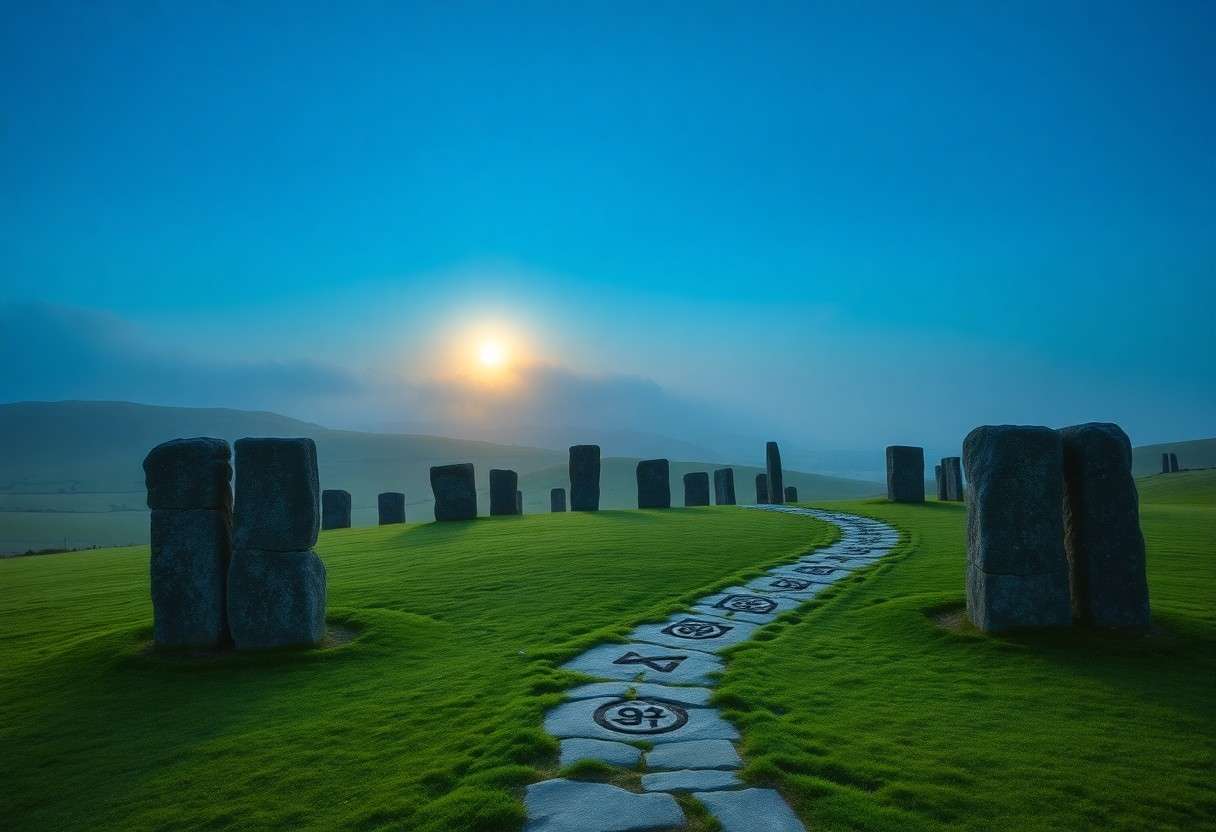
Mapping Ley Lines
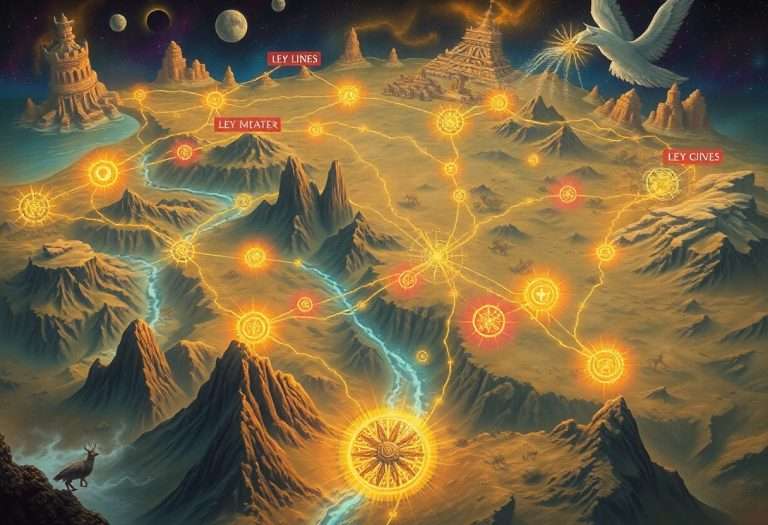
Your understanding of ley lines deepens when you explore the methods used to identify and map them. Historically, these invisible energies have drawn attention from researchers and enthusiasts alike, leading to various techniques that help delineate their paths across the landscape.
Historical Mapping Techniques
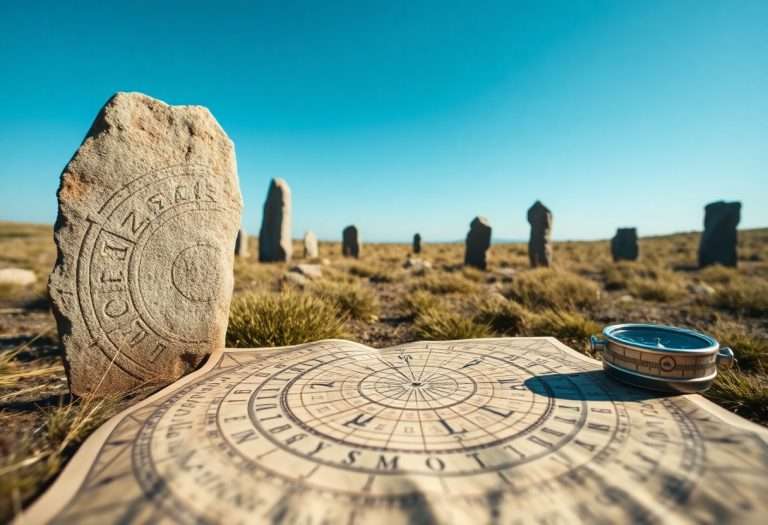
Behind the creation of ley line maps, early researchers employed rudimentary yet intriguing techniques, using celestial alignments and geographical landmarks as reference points. These methods relied heavily on observational skills and intuition, allowing pioneers of ley line theory to piece together intricate connections between ancient sites and natural features.
Contemporary Methods and Technologies
Among the advancements in mapping ley lines are the integration of Geographic Information Systems (GIS) and satellite imagery. These modern tools enable you to visualize ley lines more precisely than ever before, drawing on vast datasets to surface connections that might have gone unnoticed in earlier eras.
But the potential of contemporary methods extends beyond simple mapping. By utilizing powerful analytics, you can identify patterns in how ley lines interact with local landscapes and historical sites. Advanced software enables you to overlay ley lines with demographic data, environmental factors, and even historical events, providing a comprehensive view that enhances your understanding of these mystical alignments. This modern approach not only preserves traditional insights but also invites further exploration and research into the phenomenon of ley lines.
Case Studies of Notable Ley Lines
To probe deeper into the fascinating world of ley lines, you can explore various case studies that highlight significant connections across landscapes:
- The Michael and Mary Line in England, connecting 14 ancient sites over 300 miles.
- The St. Michael Line, which spans from Land’s End to Hopton, featuring multiple churches dedicated to St. Michael.
- In the United States, the Great Pyramids of Giza and Stonehenge are aligned with 33 other structures across the globe.
- The St. Paul’s Cathedral Ley Line in London, linking several historical sites of worship.
Ancient Sites and Their Connections
By investigating ancient structures, you uncover patterns that suggest deliberate alignments. For instance, you will find that many stone circles and megalithic sites are interconnected, showcasing a network that some believe guided rituals or offerings. Exploring these connections can reveal a deeper understanding of how our ancestors viewed the landscape.
Modern Discoveries of Ley Lines
Sites continue to emerge that challenge conventional understandings of geography and spirituality, often revealing ley lines that seemingly connect modern structures to ancient ones. You may discover how newer technologies, such as GPS, unveil these alignments, prompting researchers to rethink sacred spaces around the globe.
In fact, modern developments and archaeological studies are revealing ley lines that link not only ancient sites but also contemporary landmarks. Your exploration of these connections can lead to astonishing revelations about the layout of cities and even urban planning, suggesting that our ancestors’ geometry may hold keys to understanding the spiritual and environmental significance of locations today.
To wrap up
Hence, understanding the history of ley lines can deepen your appreciation for ancient landscapes and their connections. These supposed mystical paths suggest a fascinating interplay of geography and human perception that you can explore further. To probe into this intriguing subject, you might find more insights in the article on Ley Lines, The ‘Mystical’ Paths Said To Connect Ancient …, enriching your knowledge and sparking your curiosity about the world around you.